


Venoplasty And Stenting
Venoplasty and stenting are minimally invasive procedures used to treat narrowed or blocked veins that disrupt normal blood flow. These conditions can lead to swelling, pain, and serious complications if left untreated.This advanced treatment restores proper circulation by widening the vein and placing a stent, improving blood flow and relieving symptoms effectively without major surgery.
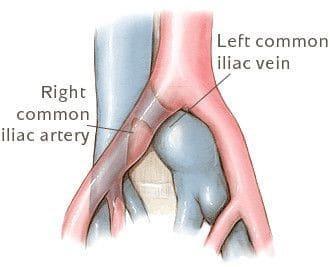
Venous obstruction occurs when a vein becomes narrowed (stenosed) or blocked, often due to blood clots, scarring, or external compression.
• Venoplasty (Balloon Angioplasty):
A balloon is inserted into the narrowed vein and inflated to widen it.
• Stenting:
A small mesh tube (stent) is placed inside the vein to keep it open and maintain long-term blood flow.
1. Pre-Procedure Evaluation
Imaging tests such as Doppler ultrasound, CT venography, or MR venography are performed.
2. Catheter Insertion
A thin catheter is inserted through a small puncture in the skin (usually in the groin or neck).
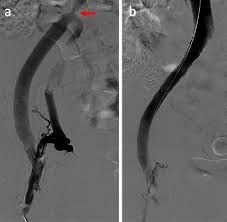
3. Balloon Dilatation (Venoplasty)
A balloon is inflated to open the narrowed vein.
4. Stent Placement
A stent is placed to keep the vein open and ensure smooth blood flow.
5. Completion
The catheter is removed, and a bandage is applied—no stitches required.