


Prostatic Artery Embolization For BPH
Prostatic Artery Embolization (PAE) is a safe, minimally invasive treatment for Benign Prostatic Hyperplasia (BPH)—a common condition in men where the prostate gland enlarges and causes urinary problems. This advanced procedure reduces prostate size by blocking its blood supply, helping relieve symptoms without the need for major surgery.
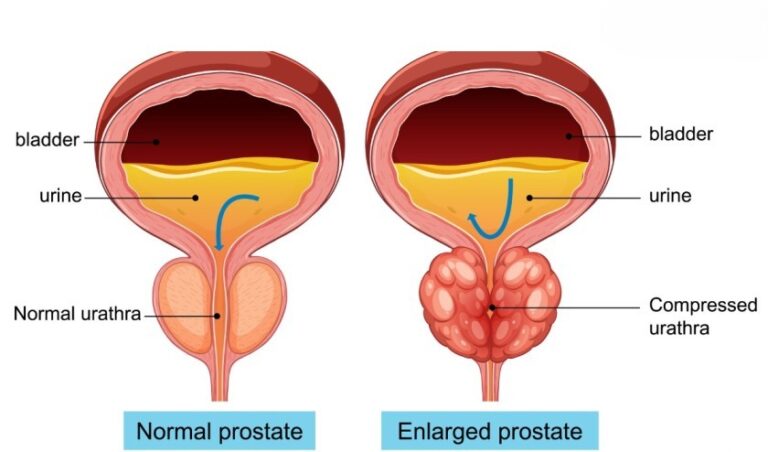
Benign Prostatic Hyperplasia (BPH) is a non-cancerous enlargement of the prostate gland, usually seen in men over 50. As the prostate enlarges, it can press against the urethra, affecting normal urine flow.
1. Pre-Procedure Evaluation
Imaging tests such as ultrasound or MRI are used to assess fibroid size and location.
2. Catheter Insertion
A small catheter is inserted through a tiny puncture in the wrist or groin.
3. Embolization
Tiny particles are injected into the uterine arteries to block blood supply to fibroids.
4. Completion
The catheter is removed, and the puncture site is bandaged—no stitches required.