
Welcome to Windfall Electrician Wordpress Theme.
Brooklyn, NY 10362702 United States
Call Us !+91 9268880303

Lymphatic Interventions

Lymphatic Interventions

Advanced Minimally Invasive Treatment for Lymphatic Disorders

Overview

Lymphatic interventions are specialized, minimally invasive procedures used to diagnose and treat disorders of the lymphatic system—a vital part of the body responsible for fluid balance and immune function.These advanced techniques help manage conditions such as lymphedema, lymphatic leaks, and chylous collections, offering effective relief without the need for major surgery.

What is the Lymphatic System?

The lymphatic system is a network of vessels, nodes, and organs that helps maintain fluid balance, remove toxins, and support the immune system. When this system is damaged or blocked, it can lead to fluid accumulation and swelling, known as lymphatic disorders.
Common Lymphatic Conditions Treated

  • Lymphedema (swelling of limbs due to lymphatic blockage)
  • Lymphatic Leak (abnormal leakage of lymph fluid)
  • Chylothorax (lymph fluid accumulation in the chest)
  • Chylous Ascites (lymph fluid in the abdomen)
  • Lymphatic Malformations
  • Post-surgical or trauma-related lymphatic injuries

Types of Lymphatic Interventions

1. Lymphangiography

A diagnostic imaging procedure used to visualize lymphatic vessels and identify leaks or blockages.

2. Lymphatic Embolization

A treatment where abnormal or leaking lymphatic vessels are sealed using special embolic agents.

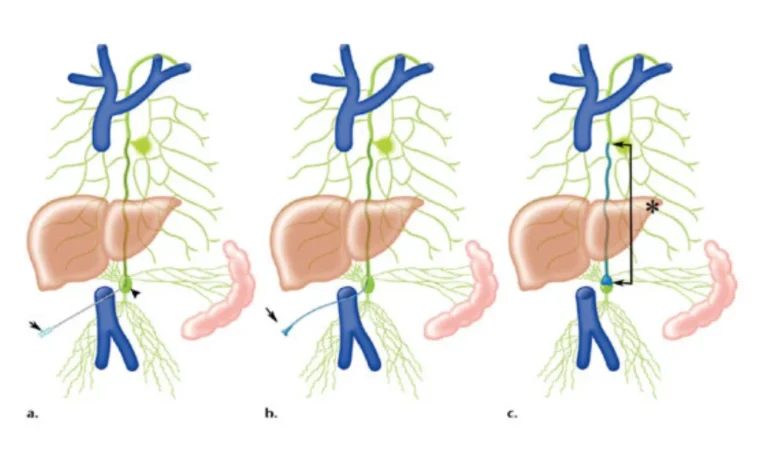
3. Thoracic Duct Embolization (TDE)

A targeted procedure to treat chylothorax by sealing leaks in the thoracic duct.

4. Lymphatic Drainage Procedures

Minimally invasive techniques to improve lymph flow and reduce swelling.

How the Procedure Works

1. Evaluation & Imaging
Specialized imaging (lymphangiography, MRI, or CT) is performed.

2. Access
A small needle or catheter is inserted into lymphatic vessels or nodes.

3. Targeted Treatment
Embolic agents or techniques are used to block leaks or restore flow.

4. Completion
The catheter is removed, and a small dressing is applied—no stitches required.

Benefits of Lymphatic Interventions

  • Minimally invasive and non-surgical
  • Effective treatment for complex lymphatic conditions
  • Reduced symptoms such as swelling and fluid accumulation
  • Faster recovery compared to open surgery
  • Improved quality of life

Who is an Ideal Candidate?

You may benefit from lymphatic interventions if you:

  • Have persistent swelling (lymphedema)
  • Experience recurrent fluid collections (chylothorax or ascites)
  • Have lymphatic leakage after surgery or trauma
  • Have not responded to conservative treatments

A detailed specialist evaluation is required.

Recovery & Aftercare

  • Short hospital stay or day-care procedure
  • Mild discomfort at the puncture site
  • Gradual improvement in symptoms
  • Follow-up imaging may be required
  • Continued use of compression therapy (in some cases)

Risks & Possible Complications

These procedures are generally safe, but potential risks include:

  • Minor bleeding or bruising
  • Infection (rare)
  • Allergic reaction to contrast dye
  • Recurrence of leakage (in some cases)

Your doctor will discuss all risks before treatment.

Why Choose Us?

  • Expertise in advanced lymphatic imaging and interventions
  • State-of-the-art interventional radiology facilities
  • Personalized patient care
  • High success rates in complex cases

Frequently Asked Questions

They are performed under local anesthesia or sedation, ensuring minimal discomfort.

Depending on complexity, it may take 1–3 hours.

Some procedures are day-care, while others may require a short stay.

Treatment significantly improves symptoms, but long-term management may be needed.

Many patients experience improvement within days to weeks.