
Welcome to Windfall Electrician Wordpress Theme.
Brooklyn, NY 10362702 United States
Call Us !+91 9268880303

Endourological Interventions

Endourological Interventions

Minimally Invasive Solutions for Urinary Tract Disorders

Overview

Endourological interventions are advanced, minimally invasive procedures used to diagnose and treat conditions affecting the urinary tract, including the kidneys, ureters, bladder, and prostate. These techniques use small endoscopic instruments and imaging guidance to treat problems without large incisions, ensuring faster recovery, minimal pain, and improved patient comfort.

What is Endourology?

Endourology is a specialized branch of urology that focuses on performing procedures inside the urinary tract using thin scopes, lasers, and micro-instruments. These procedures are performed through natural openings (such as the urethra) or through tiny skin punctures, avoiding traditional open surgery.
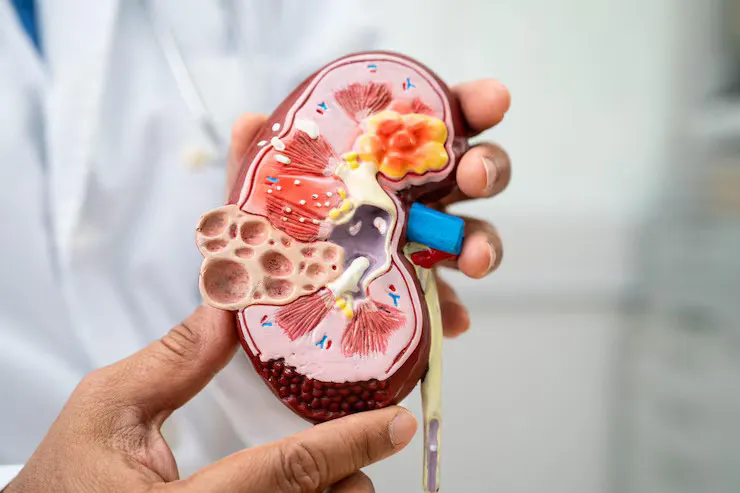
Conditions Treated

Endourological interventions are commonly used to manage:

  • Kidney stones
  • Ureteric stones
  • Bladder stones
  • Enlarged prostate (BPH)
  • Urinary strictures (narrowing of urethra)
  • Urinary tract obstruction
  • Tumors of the urinary tract (selected cases)

How the Procedure Works

  • Evaluation & Imaging
    Ultrasound, CT scan, or other tests are used to diagnose the condition.
  • Access
    Instruments are inserted through the urethra or a small skin puncture.
  • Treatment
    Stones are broken, obstructions are cleared, or tissues are treated.
  • Completion
    Instruments are removed, and a stent may be placed if required.

Common Endourological Procedures

1. Ureteroscopy (URS)
A thin scope is passed through the urethra and bladder into the ureter to remove or break stones.

2. Percutaneous Nephrolithotomy (PCNL)
A minimally invasive procedure to remove large kidney stones through a small puncture in the back.

3. Laser Lithotripsy
Laser energy is used to break stones into smaller fragments for easy removal.

4. Transurethral Resection of the Prostate (TURP)
A common procedure to treat enlarged prostate by removing excess tissue.

5. Stent Placement
Insertion of a small tube (stent) to relieve urinary obstruction and maintain urine flow.

Benefits of Endourological Interventions

  • No large surgical incisions
  • Minimal pain and discomfort
  • Short hospital stay or day-care procedures
  • Faster recovery
  • High success rates
  • Reduced risk of complications

Who is an Ideal Candidate?

You may benefit from endourological treatment if you:

  • Have kidney or urinary stones
  • Experience urinary obstruction or difficulty
  • Have an enlarged prostate (BPH)
  • Prefer minimally invasive treatment options

A detailed urological evaluation is required.

Recovery & Aftercare

  • Short recovery period (often same day or 1–2 days stay)
  • Mild discomfort or burning during urination (temporary)
  • Adequate hydration is advised
  • Follow-up visits for monitoring

Risks & Possible Complications

Endourological procedures are generally safe, but may include:

  • Mild bleeding
  • Infection
  • Temporary urinary discomfort
  • Rare injury to urinary tract structures

Your doctor will explain all risks before the procedure.

Why Choose Us?

  • Experienced urology and interventional specialists
  • Advanced endoscopic and laser technology
  • Patient-centered care
  • High success rates with safety and precision

Frequently Asked Questions

No, they are performed under anesthesia, ensuring minimal discomfort.

Typically 30 minutes to 2 hours, depending on the condition.

Most procedures are day-care or require a short hospital stay.


Usually within a few days.

Recurrence is possible, but lifestyle changes and medications can help prevent it.