Welcome to Windfall Electrician Wordpress Theme.
Brooklyn, NY 10362702 United States
Call Us !+91 9268880303

Venoplasty And Stenting

Venoplasty And Stenting

Advanced Minimally Invasive Treatment for Venous Blockages

Overview

Venoplasty and stenting are minimally invasive procedures used to treat narrowed or blocked veins that disrupt normal blood flow. These conditions can lead to swelling, pain, and serious complications if left untreated.This advanced treatment restores proper circulation by widening the vein and placing a stent, improving blood flow and relieving symptoms effectively without major surgery.

What is Venous Obstruction?

Venous obstruction occurs when a vein becomes narrowed (stenosed) or blocked, often due to blood clots, scarring, or external compression.
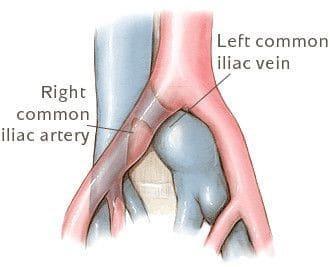
Common Causes:

  • Deep Vein Thrombosis (DVT)
  • Post-thrombotic syndrome
  • May-Thurner Syndrome
  • Dialysis access narrowing
  • Tumor or external compression

Symptoms May Include:

  • Leg swelling (especially one-sided)
  • Pain or heaviness in limbs
  • Skin discoloration
  • Venous ulcers (in severe cases)
  • Fatigue or discomfort in the affected area

What is Venoplasty and Stenting?

• Venoplasty (Balloon Angioplasty):
A balloon is inserted into the narrowed vein and inflated to widen it.
Stenting:
A small mesh tube (stent) is placed inside the vein to keep it open and maintain long-term blood flow.
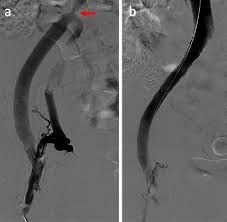
How the Procedure Works

1. Pre-Procedure Evaluation
Imaging tests such as Doppler ultrasound, CT venography, or MR venography are performed.

2. Catheter Insertion
A thin catheter is inserted through a small puncture in the skin (usually in the groin or neck).

3. Balloon Dilatation (Venoplasty)
A balloon is inflated to open the narrowed vein.

4. Stent Placement
A stent is placed to keep the vein open and ensure smooth blood flow.

5. Completion
The catheter is removed, and a bandage is applied—no stitches required.

Benefits of Venoplasty and Stenting

  • Minimally invasive (no major surgery)
  • Immediate improvement in blood flow
  • Reduced swelling and pain
  • Faster recovery time
  • Long-lasting results
  • Day-care or short hospital stay

Who is an Ideal Candidate?

You may be suitable for this procedure if you:

  • Have chronic venous obstruction
  • Experience persistent leg swelling or pain
  • Have post-thrombotic syndrome
  • Have failed medical management
  • Require improved dialysis access function

A specialist evaluation is necessary to confirm suitability.

Recovery & Aftercare

  • Usually discharged within 24 hours
  • Mild soreness at the puncture site
  • Resume normal activities within a few days
  • Blood thinners may be prescribed
  • Regular follow-up to monitor stent function

Risks & Possible Complications

Venoplasty and stenting are generally safe, but possible risks include:

  • Minor bleeding or bruising
  • Infection (rare)
  • Stent blockage or migration (rare)
  • Allergic reaction to contrast dye

Your doctor will discuss all risks before the procedure.

Why Choose Us?

  • Experienced Interventional Radiology team
  • Advanced imaging and catheter-based techniques
  • Personalized patient care
  • High success rates with patient safety

Frequently Asked Questions

No, it is performed under local anesthesia with minimal discomfort.

Usually 1–2 hours depending on complexity.

Yes, the stent is designed to remain in place permanently.

Most patients resume daily activities within 2–5 days.

Yes, blood thinners or antiplatelet medications may be prescribed.