
Welcome to Windfall Electrician Wordpress Theme.
Brooklyn, NY 10362702 United States
Call Us !+91 9268880303

Prostatic Artery Embolization For BPH

Prostatic Artery Embolization (PAE) for BPH

Minimally Invasive Relief for Enlarged Prostate

Overview

Prostatic Artery Embolization (PAE) is a safe, minimally invasive treatment for Benign Prostatic Hyperplasia (BPH)—a common condition in men where the prostate gland enlarges and causes urinary problems. This advanced procedure reduces prostate size by blocking its blood supply, helping relieve symptoms without the need for major surgery.

What is BPH (Enlarged Prostate)?

Benign Prostatic Hyperplasia (BPH) is a non-cancerous enlargement of the prostate gland, usually seen in men over 50. As the prostate enlarges, it can press against the urethra, affecting normal urine flow.
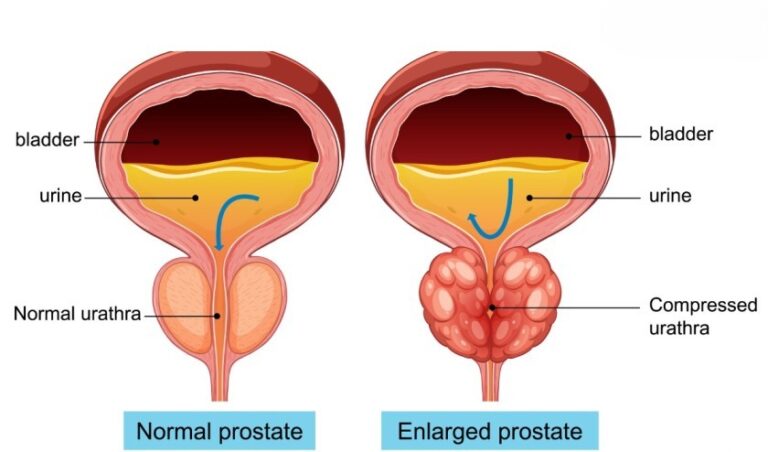
Common Symptoms Include:

  • Frequent urge to urinate (especially at night)
  • Weak urine stream
  • Difficulty starting urination
  • Incomplete bladder emptying
  • Urgency or leakage

What is Prostatic Artery Embolization (PAE)?

PAE is an image-guided procedure performed by an interventional radiologist. It involves injecting tiny particles into the arteries supplying the prostate, reducing blood flow and causing the gland to shrink over time.

How the Procedure Works

1. Pre-Procedure Evaluation
Imaging tests such as ultrasound or MRI are used to assess fibroid size and location.

2. Catheter Insertion
A small catheter is inserted through a tiny puncture in the wrist or groin.

3. Embolization
Tiny particles are injected into the uterine arteries to block blood supply to fibroids.

4. Completion
The catheter is removed, and the puncture site is bandaged—no stitches required.

Benefits of PAE

  • Non-surgical and minimally invasive
  • No major cuts or stitches
  • Reduced risk of sexual side effects
  • Short hospital stay (same day or overnight)
  • Quick recovery time
  • Effective symptom relief

Who is an Ideal Candidate?

You may be suitable for PAE if you:

  • Have moderate to severe BPH symptoms
  • Want to avoid surgery (like TURP)
  • Are not fit for anesthesia or major surgery
  • Have large prostate size

A specialist consultation is necessary to confirm suitability.

Recovery & Aftercare

  • Usually discharged within 24 hours
  • Mild discomfort, burning urination, or frequency for a few days
  • Resume normal activities within 3–7 days
  • Gradual improvement in symptoms over weeks

Risks & Possible Complications

  • Temporary urinary discomfort
  • Mild pelvic pain
  • Infection (rare)
  • Non-target embolization (very rare)

Why Choose Us?

  • Expert Interventional Radiology team
  • Advanced imaging-guided technology
  • Personalized treatment approach
  • High success rates with patient comfort

Frequently Asked Questions

No, the procedure is performed under local anesthesia with minimal discomfort.

Usually 1–2 hours.

Most patients notice improvement within 2–4 weeks.

Yes, it is especially beneficial for patients who are not suitable for surgery.

In some cases, additional treatment may be required, but results are generally long-lasting.