Welcome to Windfall Electrician Wordpress Theme.
Brooklyn, NY 10362702 United States
Call Us !+91 9268880303

Aortic Interventions like EVAR, TEVAR and PEVAR

Aortic Interventions (EVAR, TEVAR & PEVAR)

Advanced Stent-Based Treatment for Aortic Aneurysms

Overview

Aortic interventions such as EVAR (Endovascular Aneurysm Repair), TEVAR (Thoracic Endovascular Aneurysm Repair), and PEVAR (Percutaneous Endovascular Aneurysm Repair) are minimally invasive procedures used to treat aortic aneurysms. These conditions involve abnormal bulging or weakening of the aorta, which can become life-threatening if left untreated.
These modern techniques use stent grafts to reinforce the weakened portion of the aorta, reducing the risk of rupture while offering faster recovery and less discomfort compared to traditional open surgery.

What is an Aortic Aneurysm?

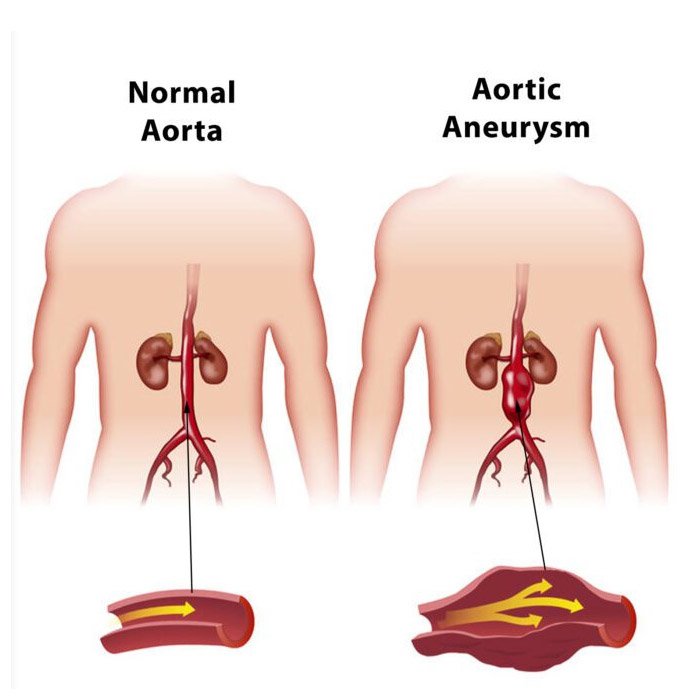
An aortic aneurysm is an abnormal enlargement or ballooning of the aorta due to weakening of its wall. It can occur in different parts of the aorta:
Abdominal Aortic Aneurysm (AAA)
Thoracic Aortic Aneurysm (TAA)
If untreated, an aneurysm can rupture, leading to severe internal bleeding and medical emergency.
Types of Aortic Interventions

1. EVAR (Endovascular Aneurysm Repair)
EVAR is used to treat aneurysms in the abdominal aorta. A stent graft is inserted through small incisions in the groin and guided to the aneurysm site to strengthen the artery wall.

2. TEVAR (Thoracic Endovascular Aneurysm Repair)
TEVAR is designed for aneurysms in the thoracic (chest) aorta. It involves placing a stent graft to support the weakened section and prevent rupture.

3. PEVAR (Percutaneous Endovascular Aneurysm Repair)
PEVAR is an advanced form of EVAR performed without surgical incisions, using needle puncture techniques. It allows even faster recovery and minimal scarring.

Why Choose Endovascular Aortic Repair?

  • Minimally invasive procedure
  • Reduced hospital stay
  • Faster recovery time
  • Lower risk compared to open surgery
  • Minimal blood loss
  • Suitable for high-risk patients

Who is a Candidate?

You may be a suitable candidate if you have:
  • Diagnosed aortic aneurysm
  • Increasing aneurysm size
  • High risk for rupture
  • Symptoms like chest, back, or abdominal pain
A specialist evaluation is required to determine the best treatment option.

Procedure Overview

  • Pre-Procedure Evaluation
    Imaging tests like CT angiography are used to assess the aneurysm.
  • Stent Placement
    A catheter is inserted through the groin and guided to the aorta.
  • Deployment of Stent Graft
    The stent graft is placed at the aneurysm site to reinforce the artery.
  • Post-Procedure Monitoring
    Patients are monitored for a short duration and usually discharged within a few days.

Risks & Complications

Although safe, potential risks include:

• Endoleak (blood flow outside the stent graft)
• Infection
• Stent migration
• Blood vessel injury

These risks are significantly lower compared to traditional surgery.

Recovery & Aftercare

  • Short hospital stay (1–3 days)
  • Quick return to daily activities
  • Regular follow-up imaging to monitor stent position
  • Lifestyle modifications and medications as advised

Why Choose Us?

  • Expert Interventional Radiology team
  • Advanced imaging and catheter-based technology
  • Patient-centered care with personalized treatment plans
  • High success rates and safety standards

Frequently Asked Questions

No, these procedures are minimally invasive and performed under anesthesia, ensuring minimal discomfort.

Typically 1–3 hours depending on the complexity.

Most patients resume normal activities within a week.


Yes, the stent graft is designed to remain in place permanently.

These procedures have a high success rate with significantly reduced complications compared to open surgery.